Почніть із наміру
Опишіть потрібну машину, виберіть наявний варіант або надайте репозиторій з інструкціями.
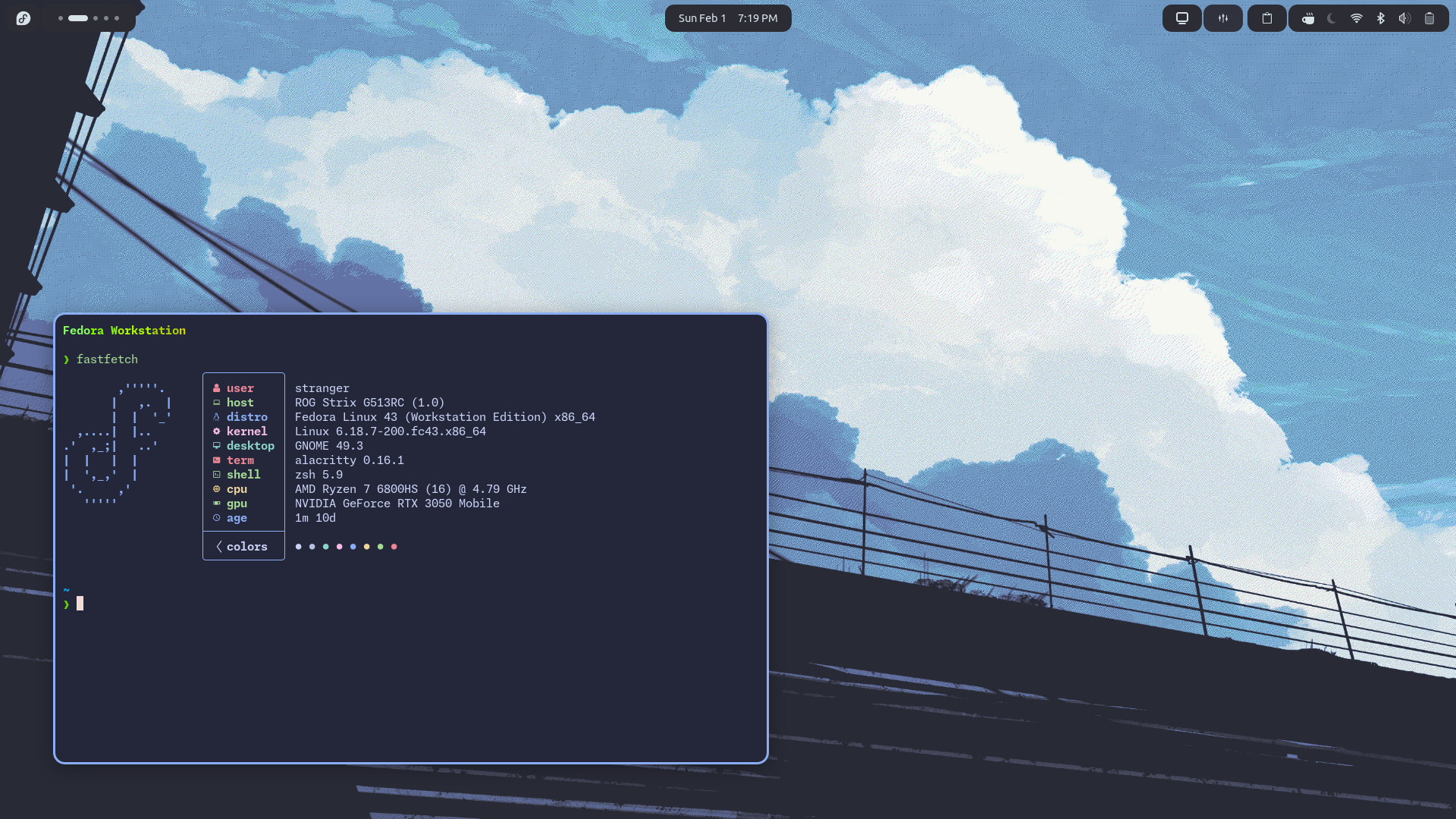
Для розробників Linux
Перетворюйте підтримувані вимоги, рецепти або репозиторії на завантажувані системи Linux. Перевіряйте власну тестову VM перед отриманням артефакту.
Availability boundary: Валідний рецепт може не передати намір, завершена збірка не є пройденим тестом, а перевірка охоплює лише заявлену область. Перевірте checksum і докази перед використанням.
Середовища розробки охоплюють один рівень. OpenFactory поєднує пакети, сервіси, користувачів, робочий стіл, завантаження та перевірки в Linux-артефакті з версіонованим рецептом.
Опишіть потрібну машину, виберіть наявний варіант або надайте репозиторій з інструкціями.
Завантажте результат у хостинговій VM та перевірте робочий стіл, термінал, мережу й сервіси.
Додайте твердження та візуальні тести, щоб кожна нова збірка підтверджувала свою роботу.
Завантажте результат або продовжуйте роботу без прив'язки рецепта до закритої платформи.
Найкорисніший цикл містить справжню збірку, справжнє завантаження та докази роботи.
Виберіть базу Linux і визначте пакети, сервіси, користувачів, конфігурацію та завдання.
OpenFactory створює образ і запускає його як VM, щоб ви могли перевірити систему.
Запустіть перевірки з визначеною областю, перегляньте докази, уточніть рецепт і завантажте артефакт.
OpenFactory може фіксувати інструменти та залежності, але її основний результат - повна завантажувана система Linux з ОС, сервісами, робочим столом і тестами.
Так. Виберіть готовий дистрибутив або варіант, завантажте його та налаштуйте рецепт.
Образ завантажується як справжня VM. Ви можете перевірити його інтерактивно й додати повторювані функціональні або візуальні тести.
Почніть із системи, яку сьогодні збираєте вручну. Чітко визначте вимоги, завантажте її та збережіть версіонований рецепт для нової збірки.